
(A video version of this post can be found at: https://www.instagram.com/p/DdfB4KvBGkE/?hl=en )
There are significantly more indie authors out there than in years past and a common complaint you hear is that the quality of writing has diminished by the infusion of books that would otherwise fail to meet the standard of a traditionally published one. By no means should that insinuate an indie or self-published author is incapable of putting out an equally good product. But that doesn’t happen without putting in the work. Is it hard work? Yes. Does it sometimes cost a fair amount of money? It can.
But I think it’s possible to acquire certain skills to get your book to a higher level. Having said that, I wanted to recommend six books that I consider fundamental in attaining a higher level of competency as a writer.
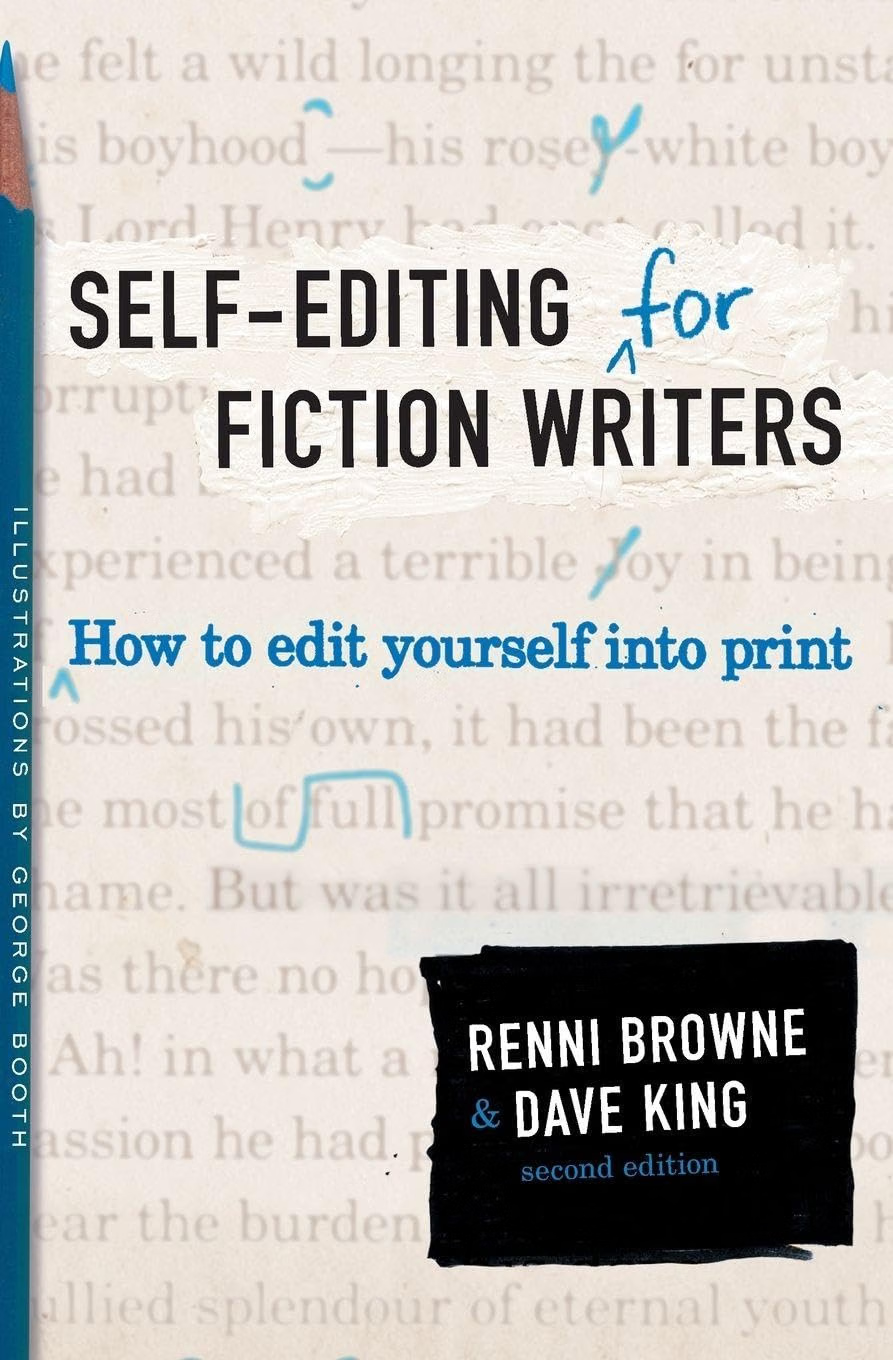
1 – Self-Editing for Fiction Writers, by Renni Browne and Dave King. It’s available online for around $11 and is on the shelves of many bookstores in the self-help or reference section. The secondary title on the cover says: How to edit yourself into print. It covers a wealth of clues as to what will strengthen your writing by assessing your own work against the techniques they discuss. Things like show, don’t tell, point of view, dialogue, character, and pacing. By upping your game, using these filters, your reviews will be better and if you so desire to choose a path to traditional publishing, agents will regard your product in a more favorable light.
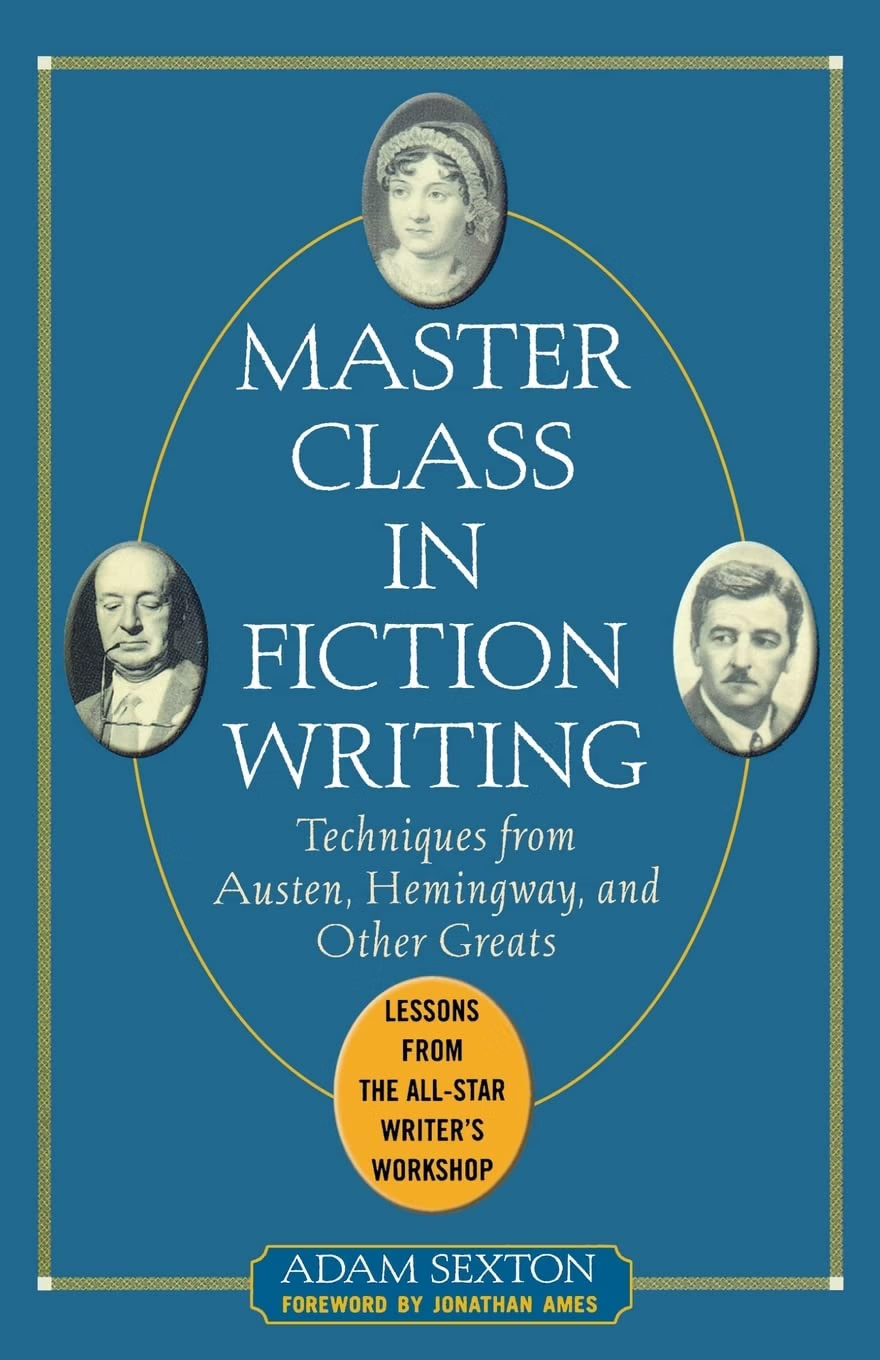
2 – Master Class in Fiction Writing, by Adam Sexton. This book is also available online, I think for about $17. As the title would suggest, it’s like taking a course that walks you through all the elements of writing a book: a books structure, characters, plot, the use of description and dialogue, point of view, along with others and everything that goes into each. I went back to school for an MFA in Fiction. I learned a lot of what is discussed in this book along with an entry into a greater writing community as a result, but it was costly.
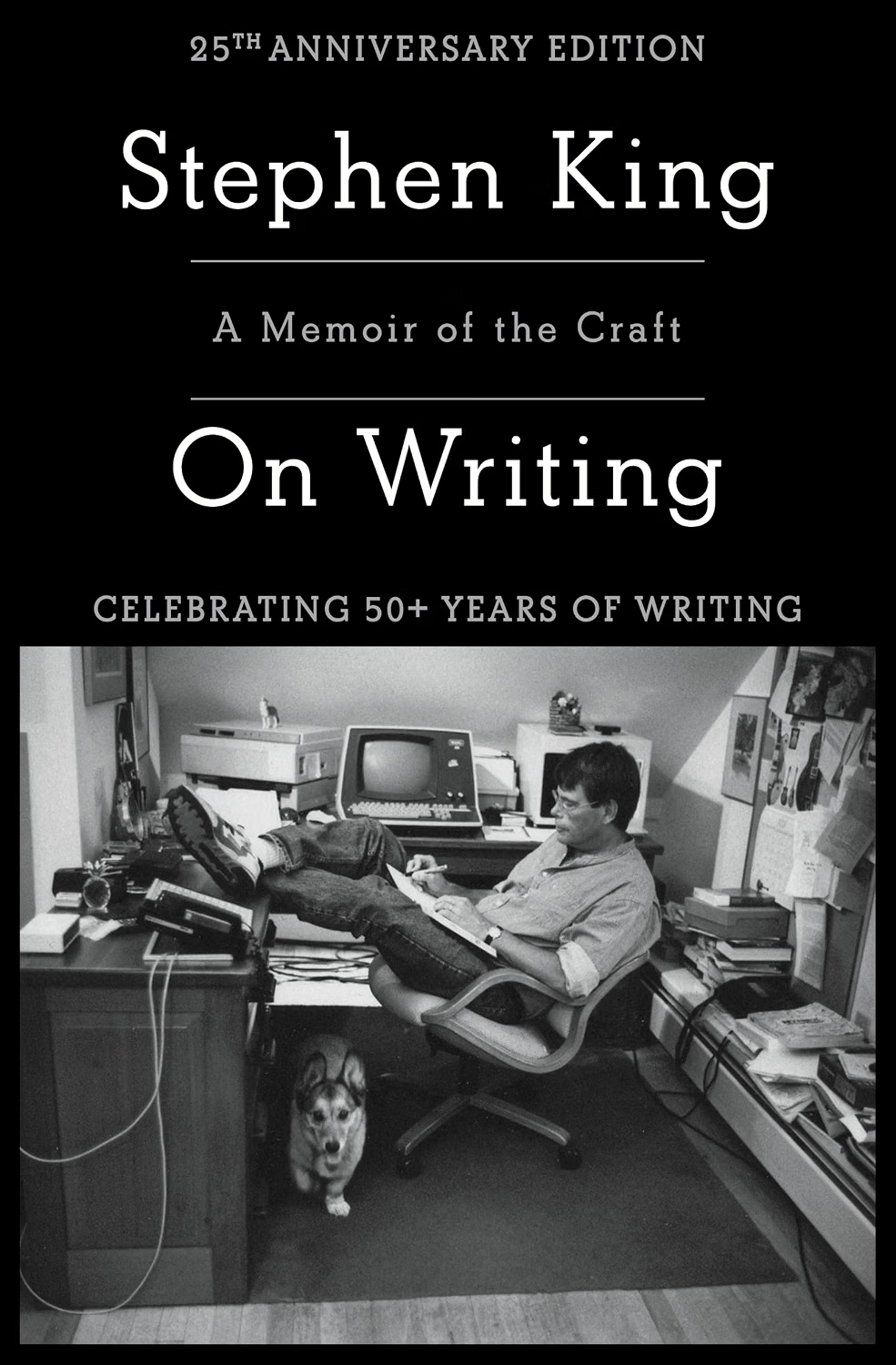
3 – On Writing – A Memoir Of The Craft, by Stephen King. It’s available online and often found alongside Mr. King’s other books. Yes, Stephen King is my all time favorite author, who wrote my all time favorite book – The Stand. Most love his writing and some don’t. Many think he’s just a writer who writes scary books, but he is SO MUCH MORE than that. He breathes life into characters like no one else. So, love him or not, his book is for every writer. It begins with his journey to becoming a best-selling author, but then freely offers some of the best advice and does not pull punches about what it takes and whether you’ll ever achieve the top tier of authorhood.
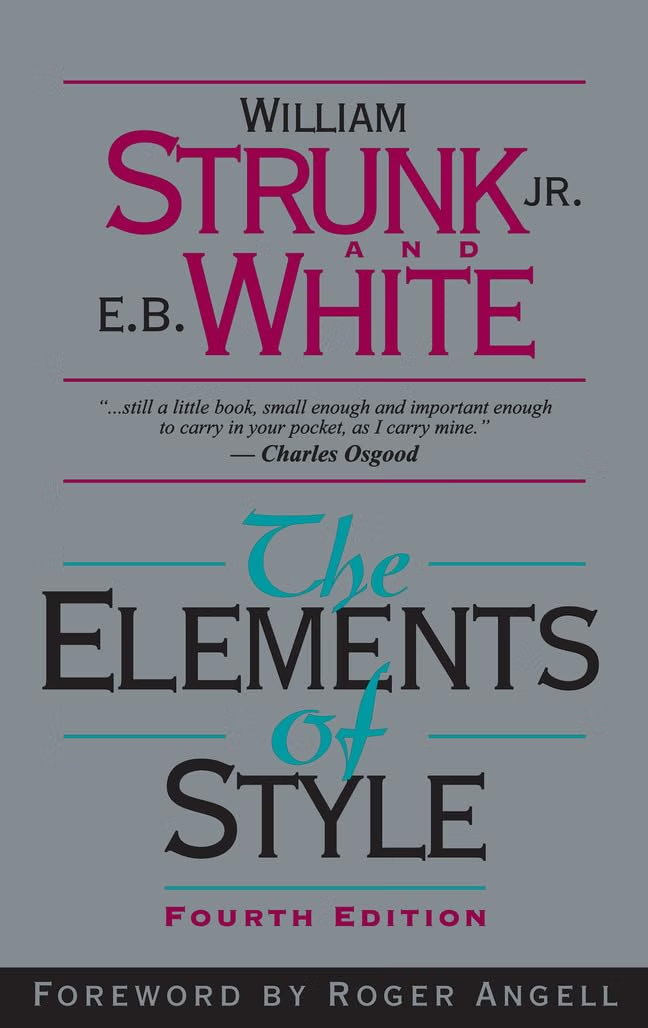
4 – The Elements of Style, by William Strunk Jr., E.B. White, and Roger Angell. It’s available online and most certainly in any good bookstore. If you’re like me, you’ve probably owned a copy since high school or college. I will simply say the book is invaluable. It first came out in 1918 and was commercially published in 1920. It’s been updated several times throughout its history. I owe my entire knowledge and understanding of punctuation to this little, 105 page book. Keep it on the side of your desk as you write.
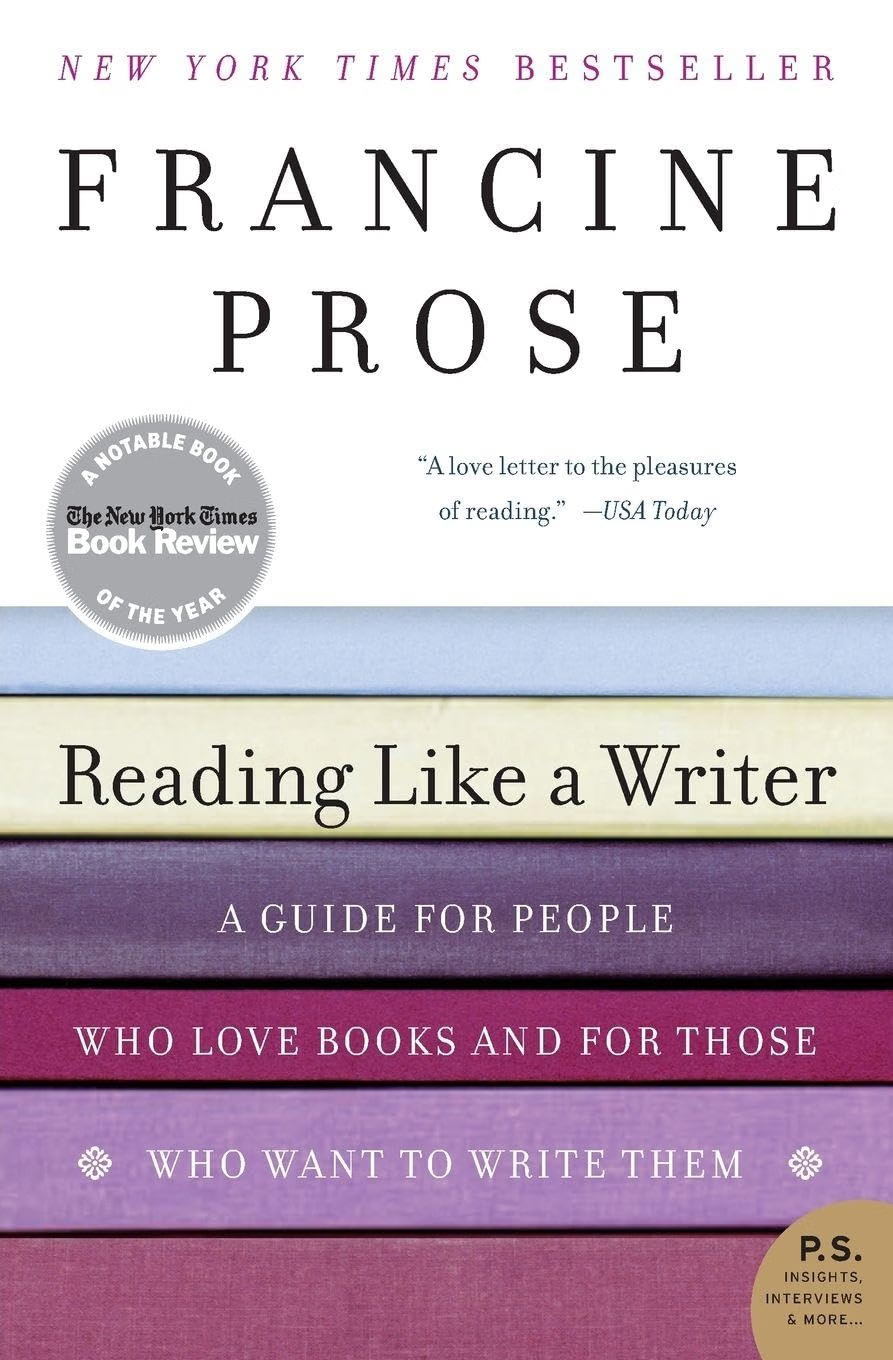
5 – Reading like a Writer: A Guide for People Who Love Books and for Those Who Want to Write them, by Francine Prose. Available online for a little over $10. You cannot be a writer unless you are a reader. It would be like trying to learn a language without listening to others speak around you. There is a difference between reading a book for enjoyment and reading a book as a writer. Approaching a novel as a writer, you must learn how to understand what other writers have done and why it works. I joked in a post the other day about how writers “steal” from other writers. It’s not truly stealing, but I wasn’t kidding, learning how to absorb the tricks and techniques that others use successfully and then employing those lessons in your own writing will make you stronger. This is the book on how to do that. I can’t speak for all authors, but the only drawback for my having digested this book is that I’m much quicker to pick up on examples of poor writing with the books I read – books I would have happily consumed once upon a time with no judgement.
But that leads me to my final book on the list.
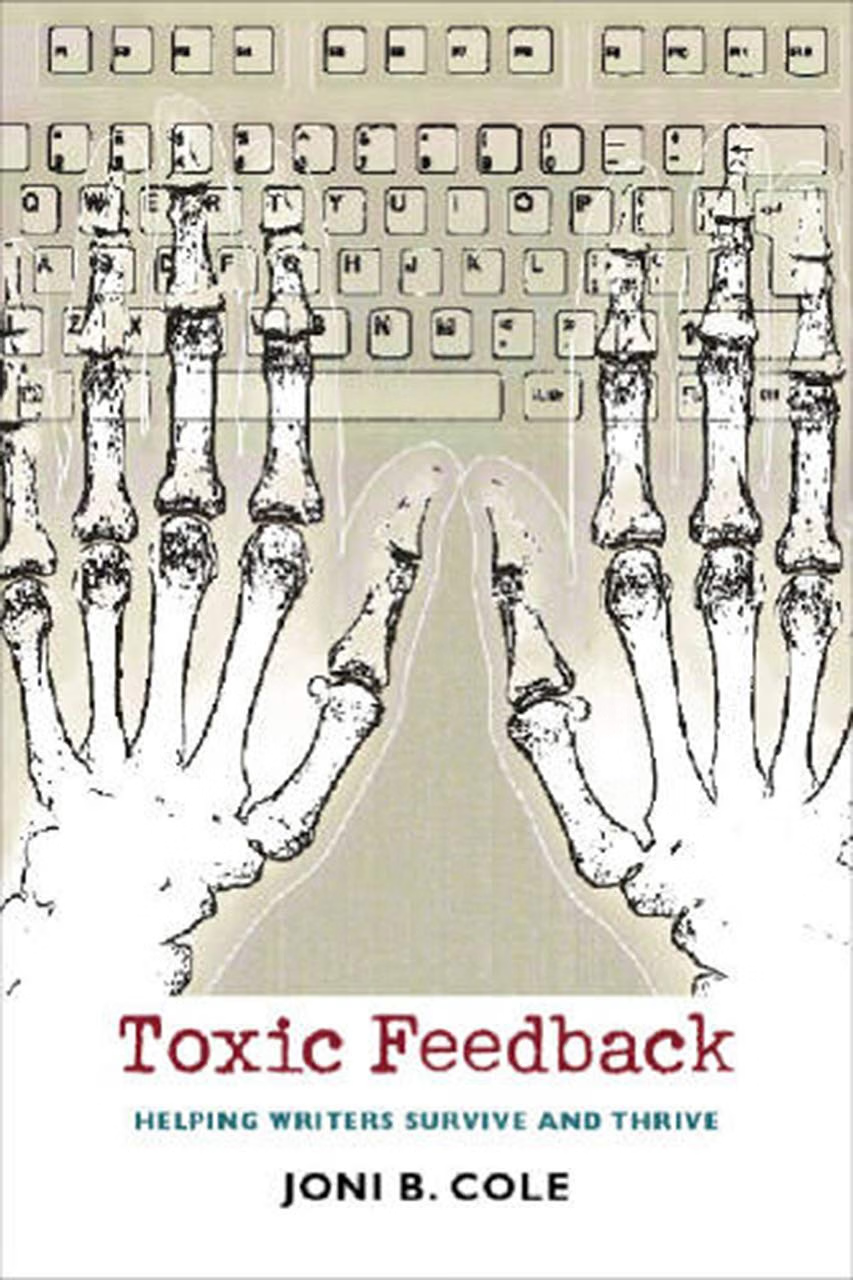
6 – Toxic Feedback: Helping Writers Survive and Thrive, by Joni Cole. I don’t know if bookstores carry it, but it is available online for about $20. The first thing a writer needs to develop is a thick skin. You won’t survive without one. If you are still writing your first book, secretly hiding it on your computer and not having shared it yet, then the time will come, as it has come to us all, when your words will be read by others – and I’m not talking about a family member who will praise even cringe-worthy prose, just because…Someday, an editor or a beta reader or an agent is going to assess your work with all the honesty of a Marine drill sergeant. After your book is published, you’re going to get awful commentary from readers with 1 and 2 star postings. You must be prepared for that. It also means you need to know how to discuss other peoples writing in ways that offer legitimate, supportive advice and feedback. It is a critical skillset that needs to be acquired – from both directions – giving it and taking it.
So, for less than a hundred bucks you can arm yourself with some amazing advice and tools to help you polish your work to a higher standard. I hope you take a look at these and find them helpful.
Happy writing…
Give me a follow by clicking the blue button at the top right under the banner…
Discover more from Gary's Writing Blog
Subscribe to get the latest posts sent to your email.

